
Post-Storm Structural Checklist: Warning Signs You Must Not Ignore
A storm hits your region, and you’re not sure if the damage is cosmetic or if it actually affected the structural strength of your home. Don’t worry, most homeowners find themselves in the same confusion. That’s why we are here with a checklist that you can always refer to understand which signs of damage you must never ignore after a storm.
Hail Damages Require Expert Analysis
After a major storm, most homeowners are able to focus only on the damage they see right away, like missing shingles, fallen branches, or water on the floor. But some of the most serious structural problems after a storm are not easily identifiable.
Storms place sudden stress on your home. High winds, hail, heavy rain, and flying debris can all affect different parts of the structure at the same time. Even when a home looks fine from the outside, hidden damage may already be present beneath the surface.
Why a Post-Storm Structural Inspection Matters
Storm forces act very differently from normal weather and can severely damage the structure of your home. Wind pressure, hail impact, and rapid water saturation push and pull on a structure in ways it was not designed to experience repeatedly.
What makes storm damage dangerous is that it often starts small. A hairline crack. A slight shift in framing. A leak that dries up after a few days. These are some of the early signs that are easy to dismiss, but over time, they can turn into serious structural problems.
A professional inspection after a storm helps confirm whether damage is cosmetic or whether the structure itself has been affected.
The list of warning signs provided below in this blog will help you always stay vigilant about the damage caused by storms, so you can take necessary actions to protect your home from future damage.
Interior Warning Signs You Should Take Seriously
One of the first places storm damage appears is inside the home. Interior symptoms often reflect deeper structural movement.
New cracks in walls or ceilings that show up after a storm require a deep structural analysis by a professional engineer. Cracks that are diagonal, widen quickly, or appear near doors and windows may indicate movement. This type of internal cracking is different from normal settling, and you must never ignore it.
You may also notice issues like doors sticking, windows becoming harder to open, or floors seeming to be uneven. These changes can signal that the structure shifted slightly during the storm.
Roof and Attic Red Flags After a Storm
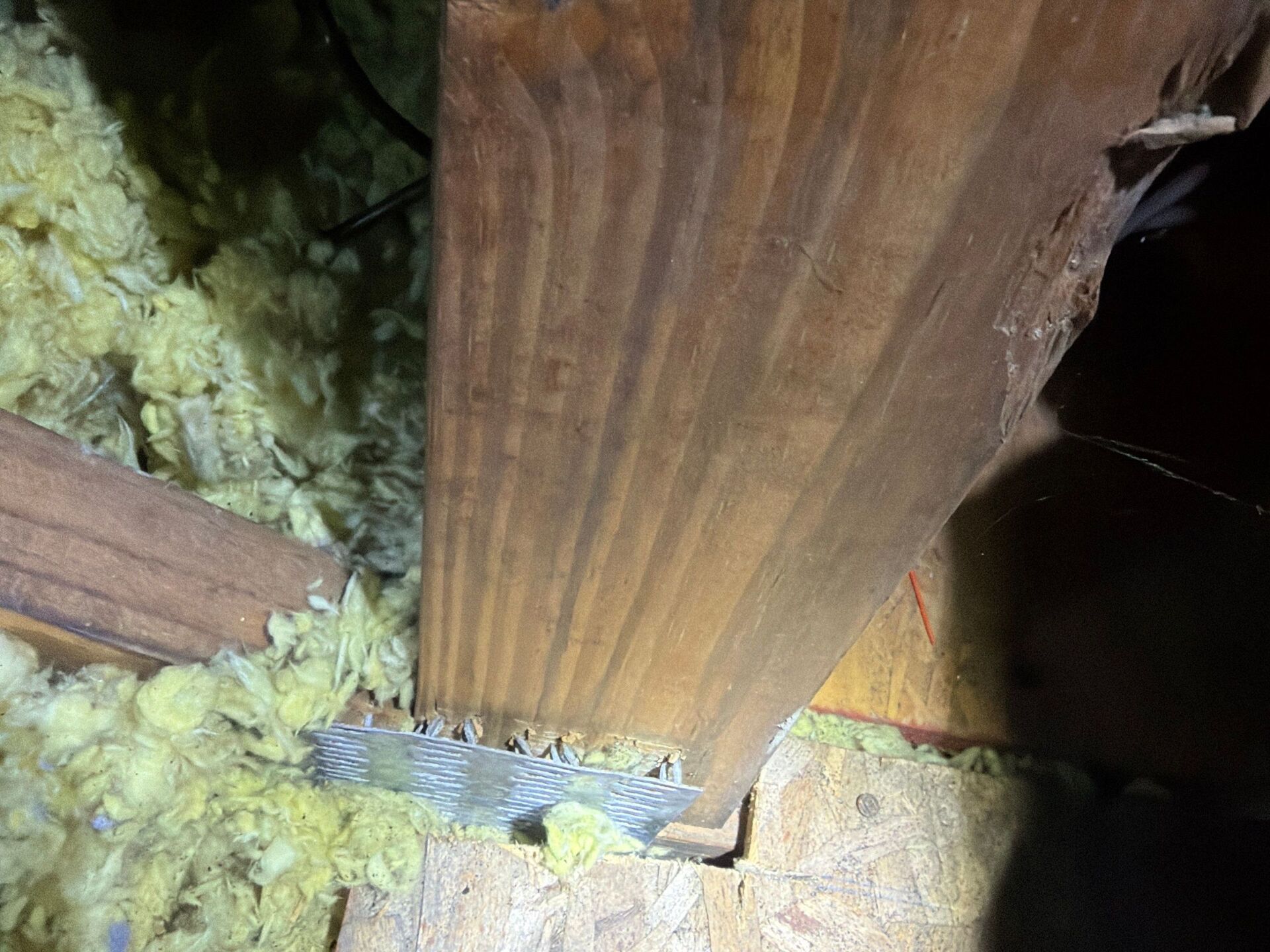
Roof damage is common after storms, but structural damage is not always visible from the ground. If it is safe to do so, inspecting the attic can reveal important clues.
As per experienced structural engineers, one must always look for gaps where the roof framing meets exterior walls. Even small signs of roof-to-wall separation matter because they can weaken how loads are transferred through the structure and allow moisture to enter.
Cracked rafters, displaced trusses, or loosened metal connectors also count as critical warning signs for homeowners. It is because they often mean that the roof system has absorbed a much higher force than usual.
Moisture Where It Does Not Belong
Storm-related water damage does not always show up as standing water. Often, it appears as damp smells, soft drywall, or condensation in areas that were previously dry.
Areas like basements, crawl spaces, and attics in your home can get affected with moisture after a storm. And with time, trapped moisture can weaken framing, corrode fasteners, and lead to mold development in these areas of your home.
Moisture intrusion is one of the most common ways storm damage quietly turns into long-term structural deterioration.
Exterior Walls and Foundation Changes
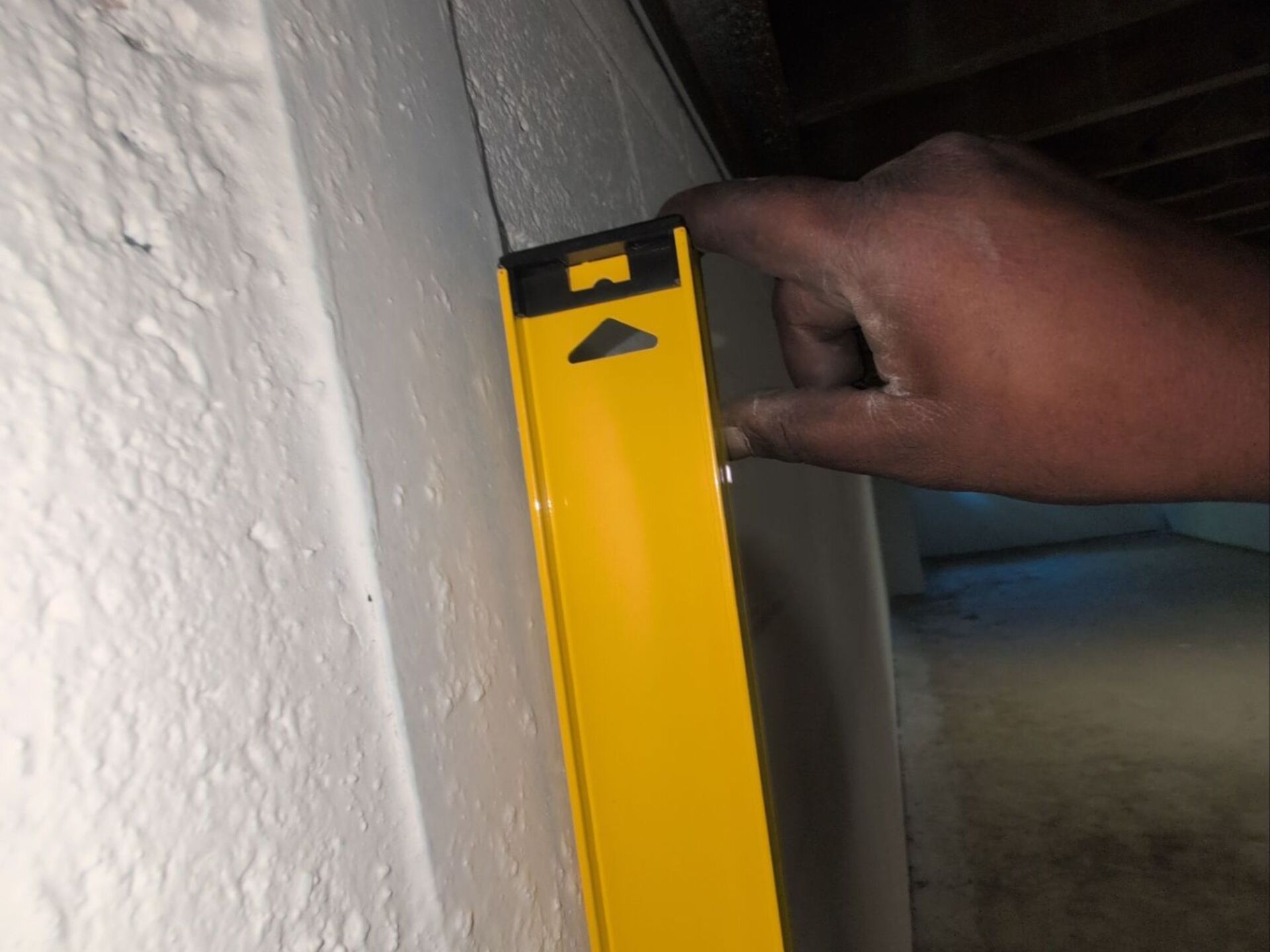
Exterior walls and foundations absorb a large portion of storm forces. After a storm, walk around the outside of your home and look carefully for changes.
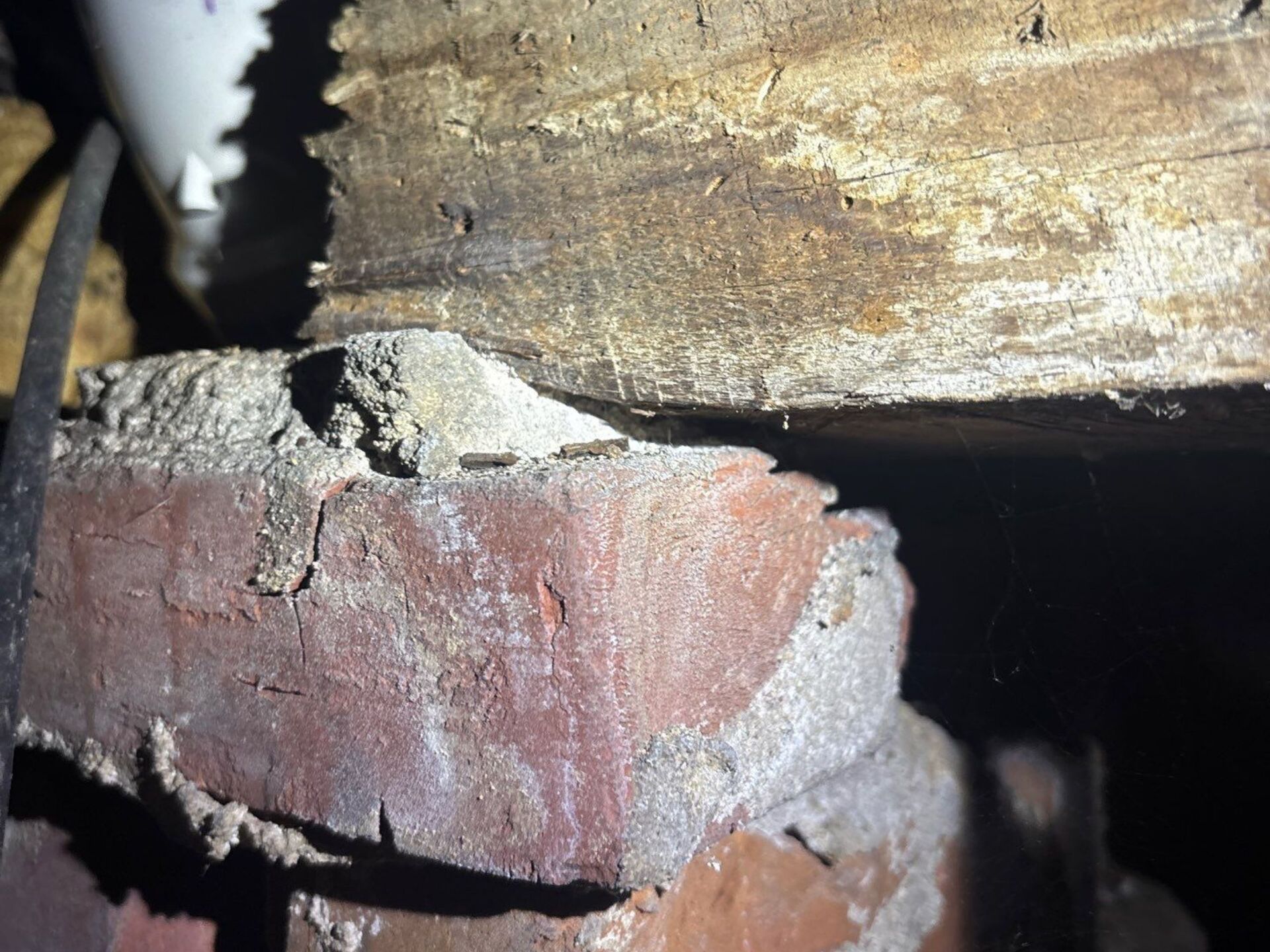
New cracks in brick, block, or foundation walls are important structural red flags. Stair-step cracking in masonry or horizontal foundation cracks can indicate stress or movement caused by storm loading.
Bulging walls, shifted siding, or new gaps around windows and doors may point towards hidden storm impact that requires professional evaluation by an experienced structural engineer.
Hail Damage Is Not Always Just Cosmetic
Hail damage is often underestimated by homeowners, as they ignore the minor-looking damage, which later can develop into bigger problems. While dents or surface marks may look minor, hail can fracture the roofing materials, loosen flashing, and damage protective layers, and thus, it is always important to have a professional engineer assess the damage after hailstorms.
Over time, these weakened areas let moisture enter the structure, which may result in expensive repairs in the future. Therefore, a proper home inspection after hail looks beyond surface marks and evaluates whether materials were compromised, what type of damage was caused by the storm, and if it requires immediate repair or not.
According to the National Oceanic and Atmospheric Administration (NOAA), hail events are becoming more frequent and severe in many regions of the US. (Source – https://www.noaa.gov)
It means that homeowners should pay more attention to get post-storm structural inspections now.
Why Storm Damage Often Shows Up Later
Not all storm damage is visible immediately after a storm. Some issues become visible only after the materials dry, expand, or continue to move over time.
This delayed response is why certified professional structural engineers often recommend monitoring a home in the weeks after a storm. A proper storm damage checklist covers follow-up checks as well.
The Federal Emergency Management Agency (FEMA) also notes that structural damage from storms can worsen over time if not identified early.
(https://www.fema.gov)
When a Structural Engineer Should Be Called
General inspections can detect enough visible damage, but only a licensed structural engineer can determine whether the structure itself has been compromised after a storm.
You should consider a professional inspection if you notice new cracking, moisture intrusion, roof framing changes, or similar signs after a storm.
A post-storm structural inspection provides more clarity. It explains what was affected, how the damage happened, and whether repairs are truly necessary at that particular point.
Structural Engineering, led by Mr. Ray Gessner, a licensed professional engineer, also helps you in preparing an evidence-based hail damage report, which is a solid document to use while claiming insurance.
Why Homeowners Trust Us
At Structural Engineering, post-storm inspections are led by Ray Gessner, P.E., a licensed Professional Engineer in Virginia and many other states in the US.
Mr. Gessner brings decades of experience in forensic structural inspections, storm damage assessments, and insurance-related evaluations. In addition to being a licensed engineer, he also holds a DPOR Class A Contractor License, giving him a rare combination of engineering expertise and real-world construction knowledge.
This dual background allows inspections to focus on how storm forces actually affected the structure, based on evidence and engineering principles.
Schedule a Post-Storm Structural Inspection Now
If your home suffered high winds, hail, or heavy rain and you are unsure whether the structure was affected, a professional inspection conducted by licensed structural engineers can help prevent homeowners in Virginia from losing money to costly repairs in the future.
We offer clear, unbiased post-storm evaluations to homeowners in Virginia, along with evidence-based forensic structural inspection reports sealed with a state stamp, so homeowners can get the right claim for the damage caused and make informed decisions about safety and repairs.
Call (605) 467 – 7328 to schedule a hail damage inspection or visit our official website for more details.
